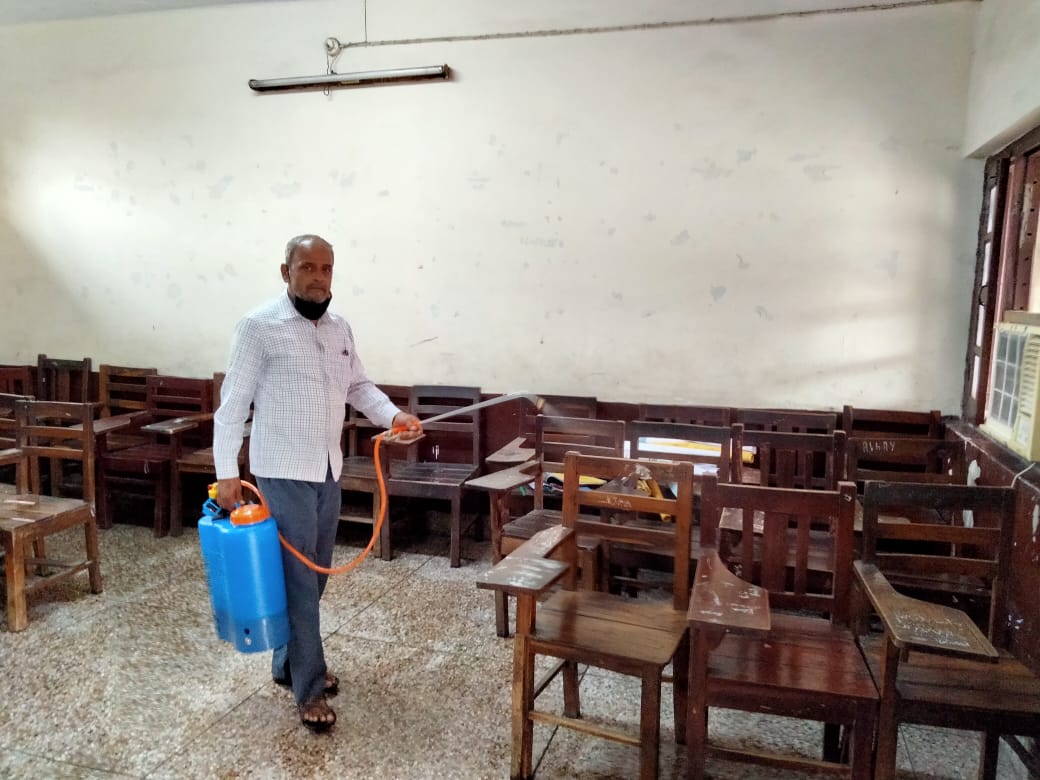
COVID Protection
Protect yourself and others around you by knowing the facts and taking appropriate precautions. Follow advice provided by your local health authority.
To prevent the spread of COVID-19:
- Clean your hands often. Use soap and water, or an alcohol-based hand rub.
- Maintain a safe distance from anyone who is coughing or sneezing.
- Wear a mask when physical distancing is not possible.
- Don’t touch your eyes, nose or mouth.
- Cover your nose and mouth with your bent elbow or a tissue when you cough or sneeze.
- Stay home if you feel unwell.
- If you have a fever, cough and difficulty breathing, seek medical attention.
Calling in advance allows your healthcare provider to quickly direct you to the right health facility. This protects you, and prevents the spread of viruses and other infections.
Masks
Masks can help prevent the spread of the virus from the person wearing the mask to others. Masks alone do not protect against COVID-19, and should be combined with physical distancing and hand hygiene. Follow the advice provided by your local health authority.

Art Room
The world is seeking creative-minded workers. From graphic designers to engineers to fashion designers, the list is endless.
Art teachers pick up where vocational schools have left off and can help set kids up with visual arts careers from the very beginning. Through Art students can express their feelings .Art is the way of communication by child to teachers.
Library
School libraries are unique but they’re also part of a much wider information landscape. The school library has connections with other libraries and can use them to access information on behalf of your learners.
The benefits of these connections with other libraries include:
- Providing access to more sources of print and digital materials to support reading and inquiry learning
- offering support for whole families to improve reading and literacy skills, and confidence
- Improving achievement through involvement in other library programmes such as public library Summer Reading initiatives which have been shown to reduce the ‘summer reading slide’, increase literacy levels and help develop a love of reading.

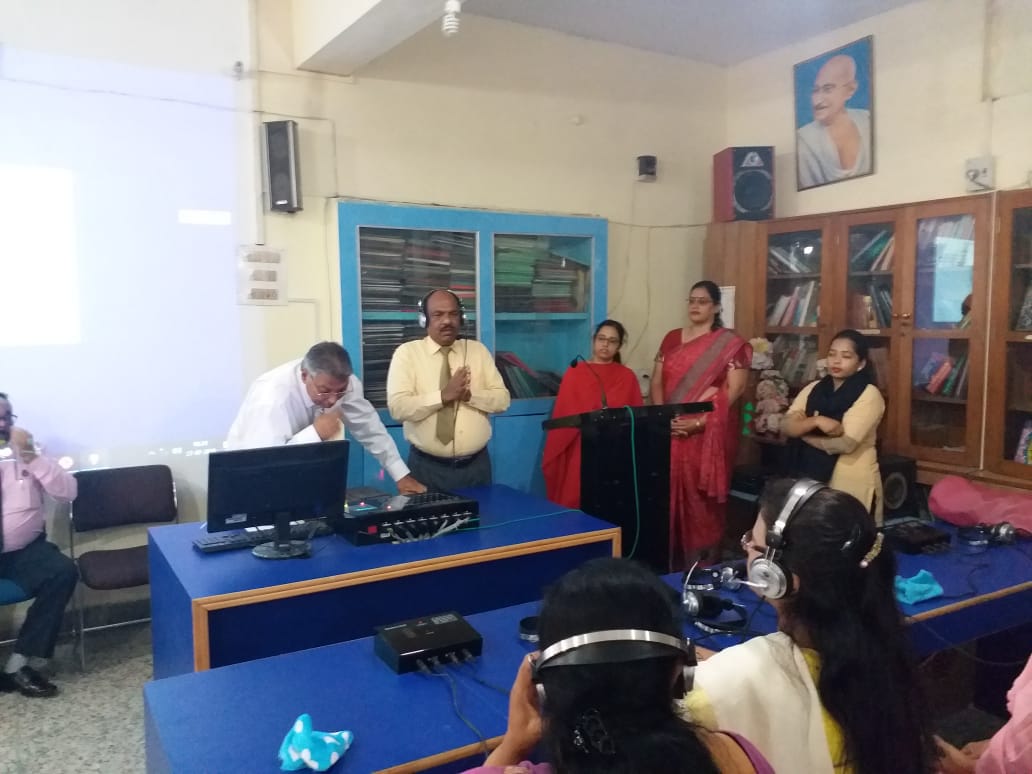
English Lab Classes
These days, language labs aren’t the stockpiles of cassette tapes, CD players and microphones that some of us experienced a decade ago. Now they’re computer rooms that are powered by state-of-the-art software designed to give students a unique and customizable learning experience—otherwise known as technology integration.
Here are some of the ways language labs can aid the learning process:
- They give shy and self-conscious students a chance to practice their English in privacy.
- Students are more likely to pay attention when working with a program that’s communicating directly to them.
- The learning content can be adjusted to suit each student’s individual needs.
- Students’ listening and speaking skills can be tested more efficiently
Sports Facilities
School sports facilities are used to deliver the formal curriculum, increase participation levels and provide facilities for the wider community

Smart Classes
However classrooms have remained untouched by technology. The classrooms that our grandparents went to are exactly the kind of classrooms our children study in. Chalk and blackboard, a packed classroom, text books, regimented curriculum, a teacher painstakingly explaining abstract concepts with the limited tools at her disposal.
The students listen to the teachers, try to decipher the figures drawn on the blackboard and read from their text books, take notes and try hard to visualize how it happens and remember. At the end of the class, the teacher asks a few random questions to assess how the class fared. Invariably a few hands (mostly of the same set of brightest students in class), go up, the answers are given and the class ends